

Are you thinking of bringing a new pet into your home? Adopting an animal is a wonderful and rewarding experience, however it is also a commitment for the animal’s lifetime, so making the right match is critical. Before you adopt, you need to ask yourself some important questions.
We think shelter dogs are amazing because each and every one is unique. They have an individual story, personality and a look all of their own that bonds them in a very special way to their new adopter. Adopters know that life’s better together, and there is the extra reward of giving a deserving shelter dog a second chance at a happy home.
Being mixed-breed can have additional health benefits for dogs, as they are more genetically robust than their pure-breed counterparts. All in all, we think mix-breed shelter dogs make wonderful companions so why not consider them first?
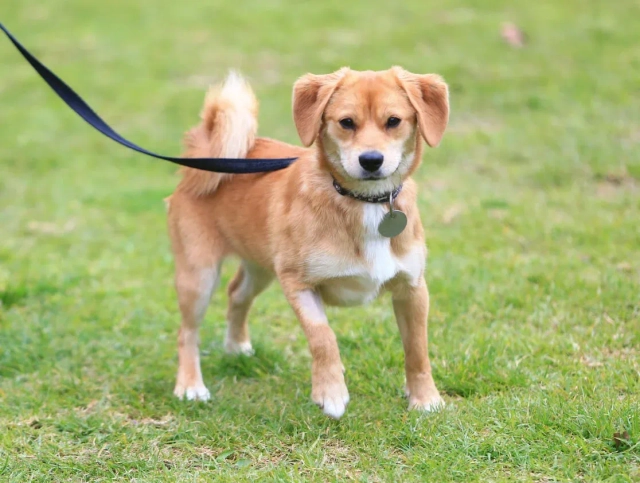
Dog breeds: Pointers, Retrievers, Setters and Spaniels.
Appearance: Sporting dogs are lean and muscular with short to medium coats. Coats can be straight, curly or wiry, protecting them from the weather with regular grooming and brushing needed.
Lifestyle considerations: This is an active group of dogs with stamina so they require daily exercise and plenty of toys to stay physically and mentally stimulated. They will need a medium sized backyard with high, secure fencing and lots of enrichment. Sporting dogs are an intelligent breed and enjoy training. Due to their active natures, sporting dogs are big eaters, needing regular feeding and a balanced, nutritious diet.
They are generally not suited to homes with small animals such as rabbits, mice and guinea pigs. With their intelligence and gentle, even tempers they make great family pets.
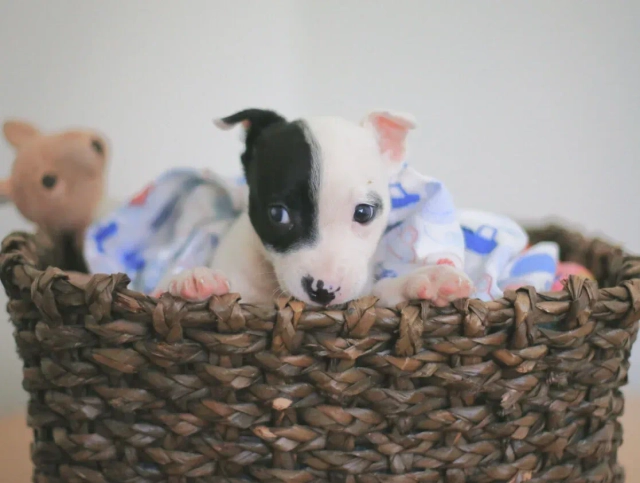
Dog breeds: Staffordshire Bull Terrier, Airedale Terrier, Jack Russell Terrier, Australian Terrier
Appearance: Terriers vary in size and typically have short, wiry coats that need minimal upkeep—though regular brushing is still required.
Lifestyle considerations: Smart and energetic, terriers need daily physical and mental stimulation. Without it, they can become bored and destructive. They can adapt to smaller yards but require daily exercise, regular training, and early socialisation.
Terriers enjoy human company and benefit from learning appropriate behaviour around other dogs from a young age. With patience and commitment, owners will gain a loyal, affectionate companion.
Due to their excitable nature, terriers are often better suited to families with older children and are generally not suitable for homes with small pets like rabbits or mice.
Dog breeds: Beagle, Dachshund, Basset Hound, Bloodhound.
Appearance: Scent hounds are known for their loose facial skin and long, floppy ears that help direct scents to their nose. They have short, smooth coats that need semi-regular brushing.
Lifestyle considerations: Energetic and full of stamina, scent hounds suit homes with an average-sized yard. They need daily exercise and mental stimulation to prevent boredom.
Breeds like dachshunds and basset hounds are prone to weight-related leg and spine issues, so a healthy diet is important.
Gentle and loyal, they’re usually great with kids and other dogs. However, training can be a challenge—they tend to follow their noses! Consistent, positive training is essential to develop good habits. In return, you’ll have a devoted and affectionate companion.
Dog breeds: Whippet, Greyhound, Irish Wolfhound.
Appearance: Sighthounds are lean, tall, and built for speed, with long necks, jaws, and forward-facing eyes that give them excellent vision. Their short, smooth coats require semi-regular brushing.
Lifestyle considerations: Despite their size, sighthounds are quiet, calm, and well-suited to apartments or smaller homes. They need good nutrition, as they can struggle to maintain weight. With low body fat, they feel the cold more than other breeds and may need jackets or indoor warmth in winter.
Sighthounds are intelligent and relaxed, spending much of the day resting. They are usually good with kids, dogs, and other pets—though greyhounds may chase smaller animals.
Despite their speed, a daily walk is enough to keep them fit and content.
Dog breeds: Blue Heeler, Australian Kelpie, Border Collie, German Shepherd.
Appearance: Working dogs are strong and medium-sized. Grooming needs vary—short-coated breeds like heelers need occasional brushing, while long-coated breeds like border collies need regular grooming, especially during shedding.
Lifestyle considerations: These energetic dogs aren’t suited to indoor living. They need space to run, ideally a large backyard. They can be prone to conditions like hip dysplasia, which can be managed with vet care.
Working dogs have sharp, active minds and thrive on exercise, training and enrichment. They love learning and working closely with their owners. Ideal for active families, they make loyal, energetic companions—and great workout partners.
Dog breeds: Maltese Terrier, Pug, Chihuahua, Pomeranian, Cavalier King Charles Spaniel.
Appearance: Toy dogs are small in size but big in personality. Coat types vary—Chihuahuas need little grooming, while Maltese require regular coat care. Some toy breeds are prone to breathing issues and ear infections, so routine vet check-ups are important.
Lifestyle considerations:
Toy dogs are well-suited to indoor living and enjoy regular exercise in a small yard. Owners should protect them from extreme temperatures—especially pugs, who are sensitive to heat and cold.
Friendly and affectionate, toy dogs thrive on attention and companionship. While intelligent and trainable, they most enjoy curling up with their families and being part of the action. Temperament can vary by breed and background.
Dog breeds: Great Dane, Bull Terrier, Rottweiler, Bull Mastiff.
Appearance: Mastiffs are large, muscular dogs with broad heads and short coats that shed year-round. Weekly brushing helps control loose hair.
Lifestyle considerations:
These dogs need plenty of space and food. They’re prone to joint issues like osteoarthritis in later life, so a balanced diet is essential. Daily exercise is important for their physical and mental wellbeing.
Mastiffs are loyal, patient, and protective—great with kids, though they can be boisterous and unaware of their size. Early socialisation and positive training are key, as they may be wary of strangers. They bond deeply with their families and thrive with consistent involvement from all household members.
Dog breeds: Alaskan Malamute, Akita, Siberian Husky and Samoyed.
Appearance: Nordic dogs have a dense, insulated, water resistant coat. Their tails are curled up over their backs, and they have small pricked ears. Their thick coats need daily brushing as they do shed regularly and regular grooming is recommended.
Lifestyle considerations:
Nordic dogs are full of energy and need a reasonable sized backyard with high fences. In warmer months these breeds will need to stay in cool spots or inside in air-conditioning. Nordic dogs need a great deal of exercise and mental stimulation to stop them from becoming bored. Being active dogs, these breeds suit owners who are committed to their ongoing training for their whole lives.
Occasionally Nordic dogs will vocalise and howl, but they rarely bark.
Nordic dogs have good temperaments and enjoy human company. They require a committed owner who is able to give them ongoing training and plenty of enrichment.
A house is not a home without a pet, however before taking the steps towards a lifetime with your new companion, there are some things new dog owners need to consider.
One of the biggest factors potential pet owners need to plan for is the cost of caring for a dog. In addition to the initial cost of adoption, there are a number of ongoing expenses the average pet owner will need to buy each year. According to the Australian Veterinary Association the cost of owning a dog over their lifetime is $25,000.
Below is a basic list of the care and items your dog requires during its lifetime. These costs can vary depending on the dog’s breed, age, size and any illness or accidents they may encounter.
Council registration
In Melbourne $40–180 per year, varies by Council and usually more if animals are not desexed
Veterinary consultation
$100–$150 (per consult, 1-2 per year)
Worm/flea treatments
$300 (per year)
Food
$100-$150 per month
Grooming
$840–$1,080 per year
Vaccination
$80 – $150 per year
Varies
Obedience training classes
$150 plus
$100
Bedding
$50-$100
Boarding
$30-$50 per night
Toys and treats
$10-$25 per toy
Pet Insurance
$240–$720
Adopted a dog from The Lost Dogs’ Home? Our handy guide has all the tips and info you need to help your new best friend settle in.

Impulse or commitment
For the children
Lifestyle
All pets change your lifestyle. If you are planning on having an outdoor dog, think again. Dogs are social animals and crave the company of humans, their ‘pack.’ Leaving a dog exclusively outdoors will lead to behaviour issues and undermine the psychological well-being of your dog. Isolation is unreasonable. Many people end up banishing a dog to the outside when they underestimate the time commitment.
Cats, too, are social and are safer and healthier if kept indoors providing they have a stimulating indoor environment. If left outside they are victim to cars, other animals and disease. The life span of an outdoor cat is much shorter than that of an indoor cat.
Timing
Stability
Dedication
Time
Cost
Additional pets