
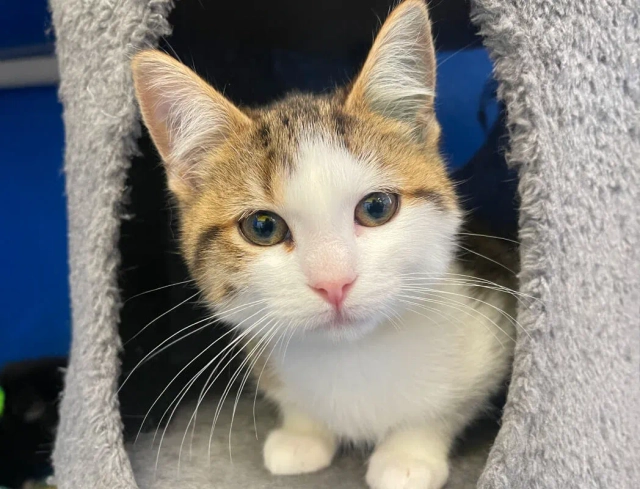
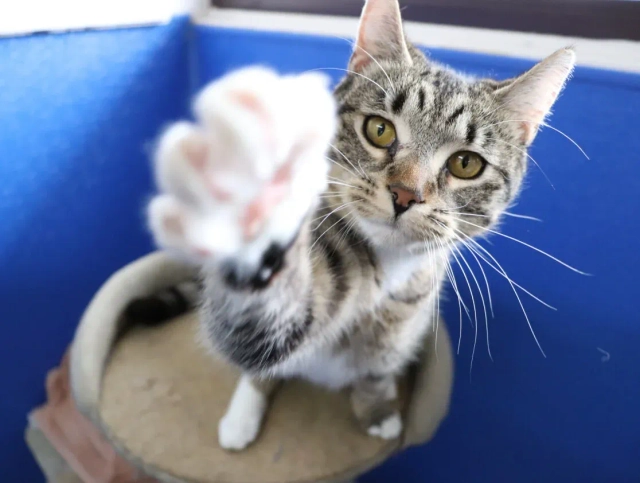
Appearance: Abyssinians are elegant cats with strong, agile bodies and long, slender legs. Their short to medium coats are low-maintenance, needing only occasional brushing to stay tidy.
Lifestyle:
Abyssinians love space and vertical territory—cat trees and high perches are a must. They’re generally healthy but, like all pets, benefit from regular vet check-ups.
Is an Abyssinian right for me?
Affectionate and people-focused, Abyssinians enjoy the company of both humans and other pets. They can entertain themselves but thrive on interactive play and food-based enrichment. With their easy-going nature, they make great companions and are well-suited to family life.
Appearance: Bengals are strong, agile cats with slim, athletic builds and soft, sleek coats featuring spotted or marbled patterns. Their short hair needs brushing only once or twice a week.
Lifestyle: Intelligent, vocal, and playful, Bengals can be mischievous and love water—owners should watch hot baths carefully.
Is a Bengal right for me?
Bengals thrive with owners who enjoy active play, training, and food-based enrichment. They mix well with children and other pets. Known for dog-like traits, Bengals often follow their owners around and greet them warmly. Highly social and affectionate, they make loyal, devoted companions.
Appearance: Birmans have long, sturdy bodies with short legs and silky, long coats that come in various colors. Unlike other long-haired cats, their fur rarely mats and only needs weekly brushing.
Lifestyle:
Highly social and curious, Birmans enjoy being around people and often follow their owners. Their inquisitive nature can lead to getting stuck in odd places, so owners should keep an eye on them. They’re generally quiet but may softly “talk” to remind you of things like dinner time.
Is a Birman right for me?
Affectionate and laid-back, Birmans can also be playful with family. They enjoy cuddles and seek affection, getting along well with children and other pets. Their gentle nature makes them excellent family companions.
Appearance: British shorthairs have short, thick coats, big round eyes and a large, rounded body. They are compact, but powerful, with broad chests and strong legs. With their short coats, British shorthairs can get away with a regular brush once a week.
Lifestyle: British shorthairs are energetic as kittens, but usually start to settle down by the time they are a year old. As adults, they often enjoy relaxing and sleeping on the couch.
These cats have a quiet voice and are not as demanding for your attention as other breeds.
Is a British shorthair the right cat for me?
If you are looking for an undemanding companion who likes to hang out with their owner, a British shorthair might be the cat for you. These cats are mellow and easy-going, making them great family companions. They enjoy affection but are also happy to relax on their own.
Appearance: Burmese cats have solid, muscular bodies and expressive gold or yellow eyes. Their short, satin-textured coats darken with age. They shed seasonally and need weekly brushing to stay shiny and healthy.
Lifestyle:
Energetic and friendly, Burmese cats retain playful, kitten-like traits into adulthood. Highly intelligent and social, they seek human companionship and don’t do well when left alone for long. They enjoy active play and can be trained easily.
Is a Burmese right for me?
If you want an active cat that loves company, the Burmese is ideal. They’ll join you in daily activities and love sitting close. They enjoy training and food-based enrichment to stay mentally and physically stimulated. Great with children and other pets, Burmese cats thrive on being the center of attention.
Appearance: Exotic Shorthairs have sturdy, muscular bodies and large, rounded heads. Their medium-length plush coats need daily brushing to prevent matting. They are prone to health issues related to their short noses, including breathing difficulties and heat sensitivity. Owners should monitor their diet as they tend to be less active.
Lifestyle:
Sweet and docile, Exotic Shorthairs are low-maintenance and rarely vocal, though they may occasionally “chat.” Their needs are simple: regular meals, playtime, and lots of love.
Is an Exotic Shorthair right for me?
Ideal for those seeking a quiet, loyal companion. They enjoy play and relaxation, thriving with families who commit time daily for interaction.
Appearance: Big, rugged cats with smooth, shaggy coats, Maine Coons are known as the gentle giants of the cat world. Despite their long, thick fur, they require minimal grooming—just a weekly brush to keep their coat in good condition.
Lifestyle: Maine Coons adapt well to various lifestyles and personalities. They enjoy human company but are usually less vocal than other breeds. They love water and may dunk their food, so owners should supervise around hot water to avoid scalds.
Is a Maine Coon right for me?
Friendly and good-natured, Maine Coons stay playful well into adulthood. Highly intelligent, they can learn tricks like fetch and enjoy retrieving toys or paper balls. They bond well with adults, children, and other pets, making them loyal and loving family companions.
Appearance: Non-pedigree cats come in many shapes, sizes, coat colours and lengths. They’re often referred to as domestic shorthair, medium hair, or long hair, depending on coat type. Grooming needs vary, so potential owners should consider how much time they can commit to grooming before choosing a cat.
Lifestyle: These cats haven’t been bred for specific traits, so their personalities are more varied. Depending on their background, they may be friendly, playful, sociable, independent, or aloof.
Is a non-pedigree cat right for me?
Since their personalities differ, it’s best to meet a cat before adopting. Like all cats, non-pedigree cats enjoy playtime and enrichment. Many can be trained to sit, come, high five, and more fun tricks.
Appearance: With long, tapered heads, slender legs, and long tails, Orientals look lithe but feel heavier than they appear. Their short coats have no noticeable undercoat, so grooming needs are minimal—though a regular brush is still recommended.
Lifestyle: Curious and full of energy, Orientals love to make their presence known. They are intelligent, agile, and playful, thriving in homes that provide mental stimulation through puzzle and teaser toys.
Is an Oriental right for me?
Chatty and confident, Orientals suit owners who enjoy a vocal, interactive pet. They can be selective with affection if they feel ignored, so daily attention and love are essential. In the right environment, they’ll be engaging and loyal companions for years.
Appearance: Persians have stocky bodies, long luxurious coats, and short, sturdy legs. Their short noses can lead to health issues like breathing difficulties and heat sensitivity. Daily grooming with a metal comb is essential to prevent tangles and hairballs, and occasional baths help keep their coat clean and healthy.
Lifestyle: Quiet and gentle, Persians need regular meals, some calm playtime, and lots of love. When cared for, they return affection generously.
Is a Persian right for me?
Daily grooming is a must to maintain their beautiful coat. With sweet, quiet temperaments, Persians make lovely companions. They’re affectionate but not demanding, and they generally cope well if left alone during the day.
Appearance: Ragdolls have long, muscular bodies, broad chests, and short necks—making them the largest fully domesticated cat breed. Their long fur has little undercoat, so daily grooming is needed to prevent knots and matting.
Lifestyle: Though known for being docile, Ragdolls enjoy interactive play and toys that engage their minds. They’re intelligent and can learn tricks and good habits, like using a scratching post. While not overly vocal, they’ll gently remind you when they want food or attention.
Is a Ragdoll right for me?
Daily grooming is essential to maintain their luxurious coat. As they’re not overly active, their diet should be monitored to avoid weight gain. With sweet, gentle temperaments and a love of cuddles, Ragdolls make calm, affectionate family pets.
Appearance: Russian Blues have elegant, muscular bodies and short, plush blue coats. They require minimal grooming—brushing twice a week is enough to remove dead hair and prevent matting.
Lifestyle: Quiet and reserved, Russian Blues enjoy play and love climbing to high spots for a good view. They crave human attention and can become anxious or withdrawn if ignored.
Is a Russian Blue right for me?
This breed thrives in calm, stable environments and dislikes change. They can entertain themselves during the day, but benefit from a consistent routine, especially around meals. While shy with strangers, once a bond is formed, Russian Blues are affectionate, loyal companions for life.
Appearance: Siamese are small to medium-sized, muscular yet slender cats with long bodies and tails. Their short, fine coats are low-maintenance and benefit from weekly combing to remove dead hair and promote healthy skin.
Lifestyle: Talkative and opinionated, Siamese will tell you what they think—and expect you to listen. They are social and demanding, needing an owner who can provide regular interaction. Intelligent and athletic, they thrive on puzzle toys and daily mental stimulation.
Is a Siamese right for me?
People-oriented and outgoing, Siamese cats love being part of the family. Suited to homes where they’ll receive attention and companionship, they reward their humans with affection, loyalty, and lively conversation.
Appearance: Muscular yet elegant, Turkish Vans have a long, sturdy physique and strong legs. Their silky coats require regular grooming to stay tangle-free. Daily brushing helps prevent matting and keeps their coat healthy.
Lifestyle: Highly intelligent, Turkish Vans enjoy learning tricks and games like fetch. They love climbing and will seek out high spaces—so fragile items on shelves may need relocating. They’re also fascinated by water, so be mindful of open sinks, bathtubs, or pools.
Is a Turkish Van right for me?
Friendly and smart, Turkish Vans make wonderful companions. While they don’t enjoy being held, they are affectionate and will happily curl up beside you. Not typical lap cats, they form deep bonds with their families and offer lifelong love and loyalty.
With cats living up to 20 years, one of the biggest factors potential owners need to consider is the costs associated with caring for their new feline companion.
Caring for a cat can add up. According to the Australian Veterinary Association caring for a cat will cost the average Australian approximately $1,722 per year. This figure can change depending on the cat, breed, age, size and any illness or accidents.
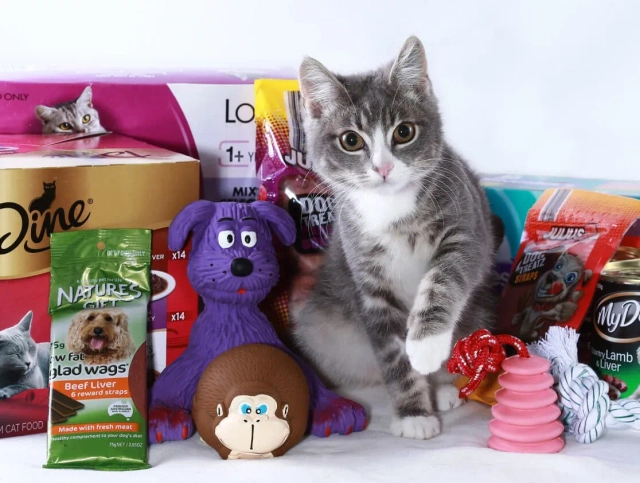
Below is a basic list of items for your new cat which outline the costs associated with cat ownership.
Council registration
In Melbourne $40–180 per year, varies by Council and usually more if animals are not desexed
Veterinary consultation
$100–$150 (per consult, 1-2 per year)
Worm/flea treatments
$300 (per year)
Food
$100-$150 per month
Vaccination
$80 – $150 per year
Litter
$40 (per month)
Varies
Accessories (e.g. lead, collar, harness, ID tags, bowls, car restraints, etc.)
$100
Bedding
$50-$100
Boarding
$30-$50 per night
Toys and treats
$10-$25 per toy
Pet Insurance
Scratching post
Adopted a cat from The Lost Dogs’ Home? Our handy guide has all the tips and info you need to help your new best friend settle in.

Impulse or commitment
For the children
Lifestyle
All pets change your lifestyle. If you are planning on having an outdoor dog, think again. Dogs are social animals and crave the company of humans, their ‘pack.’ Leaving a dog exclusively outdoors will lead to behaviour issues and undermine the psychological well-being of your dog. Isolation is unreasonable. Many people end up banishing a dog to the outside when they underestimate the time commitment.
Cats, too, are social and are safer and healthier if kept indoors providing they have a stimulating indoor environment. If left outside they are victim to cars, other animals and disease. The life span of an outdoor cat is much shorter than that of an indoor cat.
Timing
Stability
Dedication
Time
Cost
Additional pets